
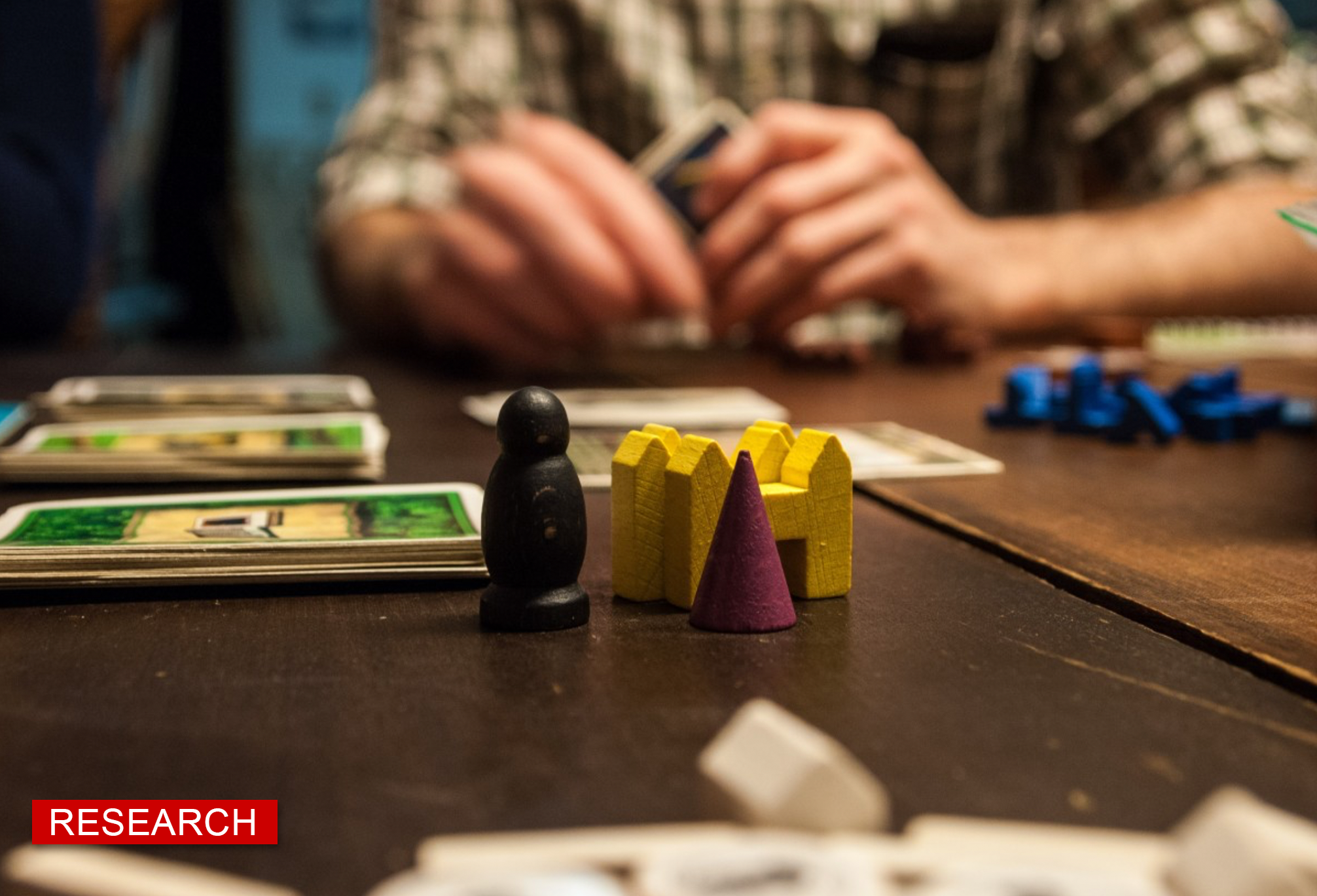
Board games are often seen as a way to pass the time, but research shows they can play a role in keeping the brain active across different stages of life. From childhood through older age, these games bring together memory, strategy, and social interaction in a way that challenges the mind.
Playing board games requires more than just luck. Many involve planning, adapting to changing situations, and remembering past moves. Players have to weigh risks, make decisions under pressure, and adjust when things do not go as expected. That combination keeps multiple parts of the brain engaged at the same time. Researchers link this type of mental activity to stronger thinking skills and better cognitive performance over time.
Board games can help children build problem-solving skills, improve basic math ability, and learn how to think through decisions. They also introduce patience and turn-taking, which are important for both learning and social development. The same types of games that support development early in life can continue to challenge the brain years later, just in different ways.
The benefits show up in older adults as well. Studies have found that people over 65 who regularly play board games have a lower risk of developing dementia. In care settings, playing games a few times a week has been tied to improvements in memory and overall quality of life. Regular play can also help maintain attention span and decision-making ability, both of which can decline with age.
Compared to solo activities like puzzles, board games add an extra layer. Puzzles tend to focus on pattern recognition and memory. Board games often combine those skills with strategy, communication, and reading other people. Players have to anticipate moves, react to opponents, and sometimes work as part of a team. That wider range of mental demands can push the brain to stay more active, especially when games are played in a group setting.
The social side matters. Sitting down with others, whether friends or family, adds interaction that goes beyond the game itself.
Conversations, reactions, and shared experiences all contribute to mental engagement. Over time, that interaction can support emotional well-being along with cognitive health. Social connection has been linked to better brain function, while prolonged isolation has been linked to cognitive decline.
Variety also plays a role. Switching between different types of games exposes the brain to new challenges. Strategy games, word games, and number-based games each require different ways of thinking. Learning new rules and adjusting to different formats keeps the brain from settling into a routine. That kind of variety can help build flexibility in how people approach problems in everyday situations.
Board games are not a cure or a replacement for other healthy habits, but they are a simple and accessible way to keep the mind active. They do not require expensive equipment or specialized training, which makes them easy to fit into daily life. Used regularly and alongside other forms of engagement, they can support both cognitive function and social connection over time.










0 Comments