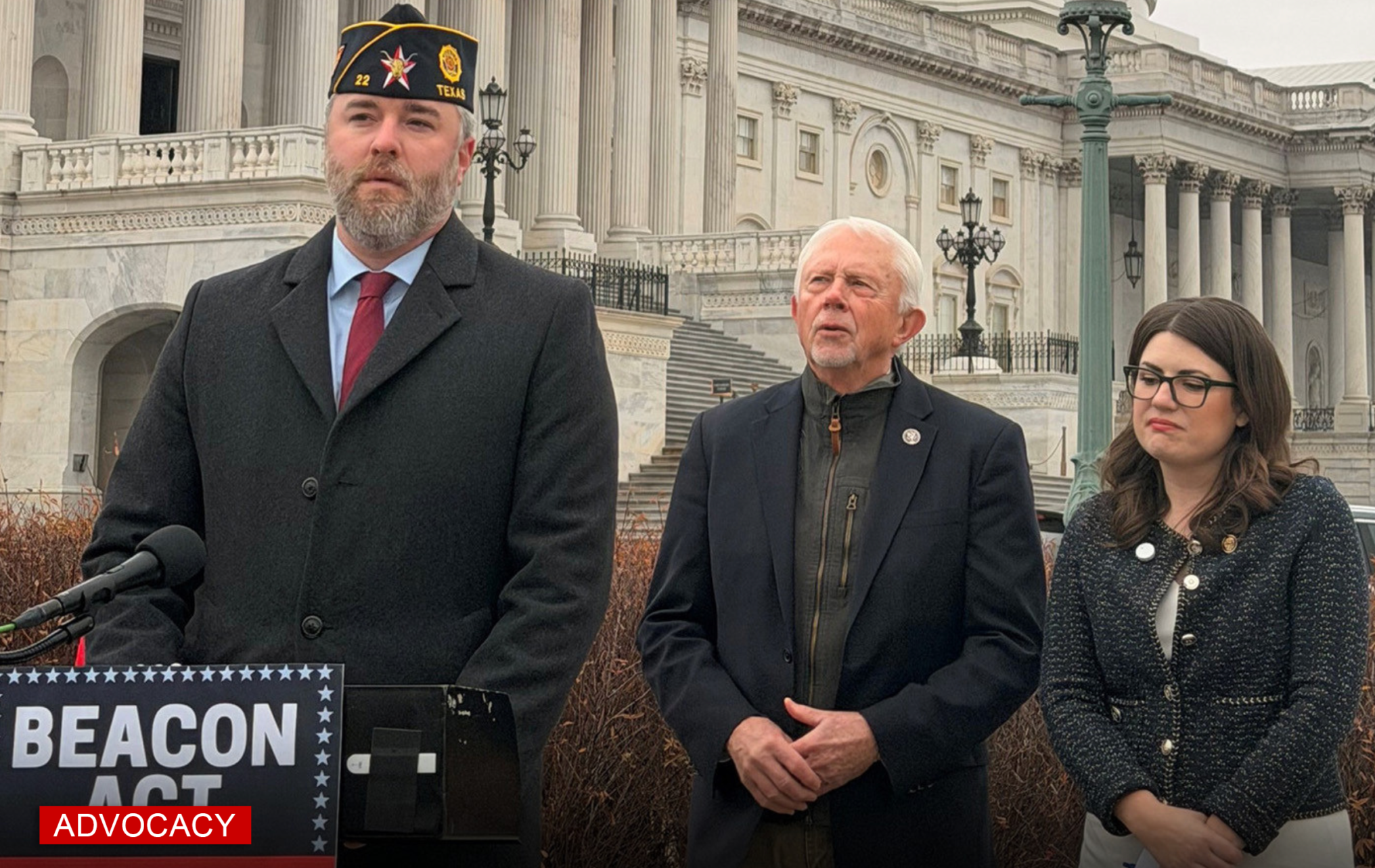
The American Legion plays a direct role in shaping laws and policies that affect Veterans, Service Members, and their families. Through its advocacy work in Washington, D.C., and across the country, the organization pushes for changes tied to healthcare, benefits, and long-term support.
At the center of that work is regular engagement with Congress. The Legion’s leadership and accredited representatives meet with lawmakers to raise concerns from Veterans and track legislation tied to the Department of Veterans Affairs. These discussions often focus on access to care, disability compensation, and gaps in support that surface after service.
Each year, The American Legion outlines its priorities during its national legislative agenda. Those priorities are built from resolutions submitted by members, giving local posts a voice in what is brought forward at the national level. That process connects grassroots concerns with federal decision-making, keeping policy discussions tied to real experiences.
Healthcare remains a consistent focus. The Legion has pushed for expanded access within the VA system while also addressing wait times and staffing shortages. Mental health care, including suicide prevention, is another area that continues to draw attention, especially as veterans and advocacy groups look for more consistent treatment options and outreach.
Benefits and compensation are also part of ongoing discussions. Lawmakers regularly review proposals tied to disability ratings, survivor benefits, and eligibility requirements. The Legion supports updates that align VA benefits more closely with other federal programs, particularly in cases where Veterans or their families face financial strain.
The organization also monitors how policies are carried out after they are passed. Oversight has become an important part of its role, with representatives tracking whether programs are reaching Veterans as intended. When issues surface, they are brought back to Congress through testimony and follow-up meetings.
Outside of Washington, advocacy efforts extend to state and local levels. Legion posts often work with state officials on issues like Veteran housing, employment programs, and community services. These efforts can vary by location, but they remain tied to the same goal of improving support for those who served.
Public testimony is another part of that process. Legion representatives frequently speak before congressional committees, sharing firsthand accounts and data collected from members. These hearings help shape how legislation is written and how funding decisions are made.
The organization’s advocacy work builds steady progress over time, contributing to ongoing improvements that support Veterans and their families. As needs evolve, policies continue to be refined, allowing updates to better match the realities Veterans face.
For many Veterans, that work happens in the background. Claims assistance and local programs are often more visible, but advocacy remains one of the ways The American Legion influences long-term outcomes across the system.
To learn more, visit The American Legion website.








0 Comments