
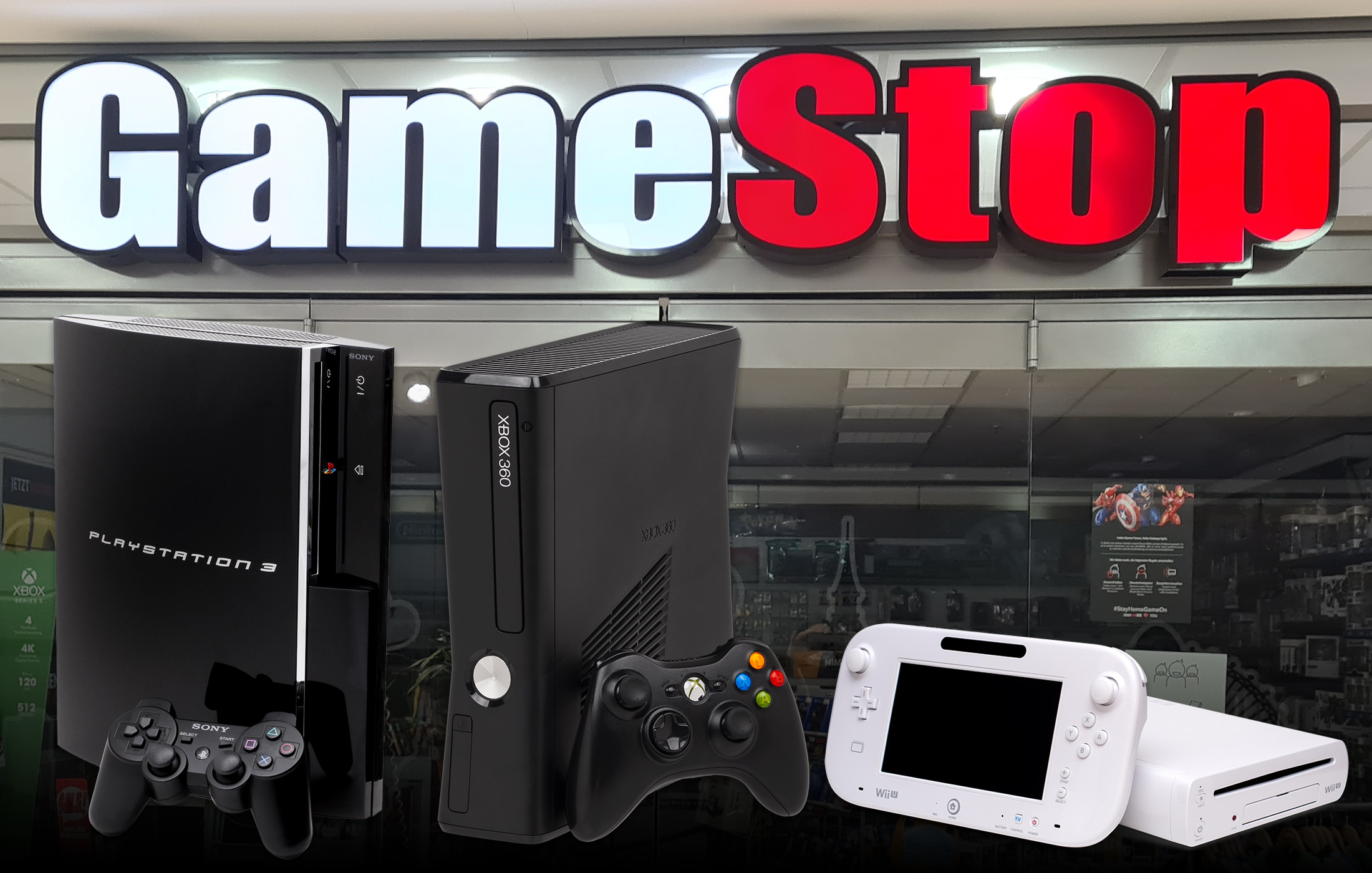
GameStop is now grouping the PlayStation 3, Xbox 360, and Wii U with its retro consoles, putting gaming systems from the mid-2000s and early 2010s into a space usually associated with much older gaming eras.
The update came in March, with GameStop pointing to the age of these systems and how far gaming has advanced since their release. Compared to today’s hardware, they come from a very different point in time, when online features, digital stores, and HD gaming were still taking shape rather than being fully established.
Each of these systems played a major role during its time. The Xbox 360 launched in 2005 and quickly became a leader in online gaming with Xbox Live, setting the standard for multiplayer and digital services. The PlayStation 3 followed in 2006, introducing Blu-ray support and helping push gaming further into high-definition while eventually building a strong lineup of exclusive titles. The Wii U arrived in 2012 with a unique GamePad controller that allowed for a second-screen experience, laying the groundwork for ideas Nintendo would later refine with the Switch.
The timeline shows how far things have come. These consoles came from a period when HD gaming became the norm and online multiplayer started to shape how people played. At the time, features like downloadable games, digital stores, and online communities were still evolving into what players now expect as standard.
GameStop also pointed out some of the differences between these systems and modern hardware. They were built before the rise of many live service games and rely on older display connections that are no longer common. The company even joked that some of these systems were first released during the George W. Bush era, putting their age into perspective in a simple way.
The retro label also affects how GameStop handles these consoles. According to reports from Tom’s Hardware, the company is now accepting trade-ins for older systems even if they show cosmetic wear, as long as they still power on. Those units are then sold through its retro selection, which has continued to expand as interest in older games grows.
That interest has been building steadily. Some players are going back to these consoles to replay titles they grew up with, while others are discovering them for the first time. Even with remasters and digital re-releases available, there is still a strong pull toward playing on original hardware.
For many gamers, hearing these systems described as retro feels strange. The PlayStation 3 and Xbox 360 helped define online gaming as it exists today, from digital storefronts to achievement systems. The Wii U, while not as widely adopted, introduced ideas that would later carry over into newer Nintendo hardware.
GameStop’s classification doesn’t change what these consoles meant when they launched. It just places them at a different point in gaming’s timeline. As newer systems continue to arrive, even the most familiar hardware eventually becomes part of the past.




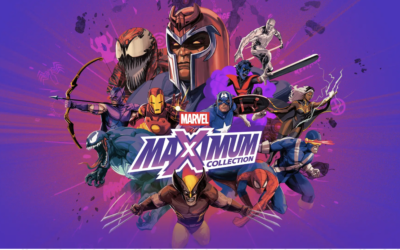
Marvel MaXimum Collection Brings Classic Marvel Games Back on March 27
MARVEL MaXimum Collection launches on March 27, bringing 13 classic Marvel arcade and 16-bit era games to PlayStation 5, Xbox Series, Nintendo Switch, and PC.


0 Comments