
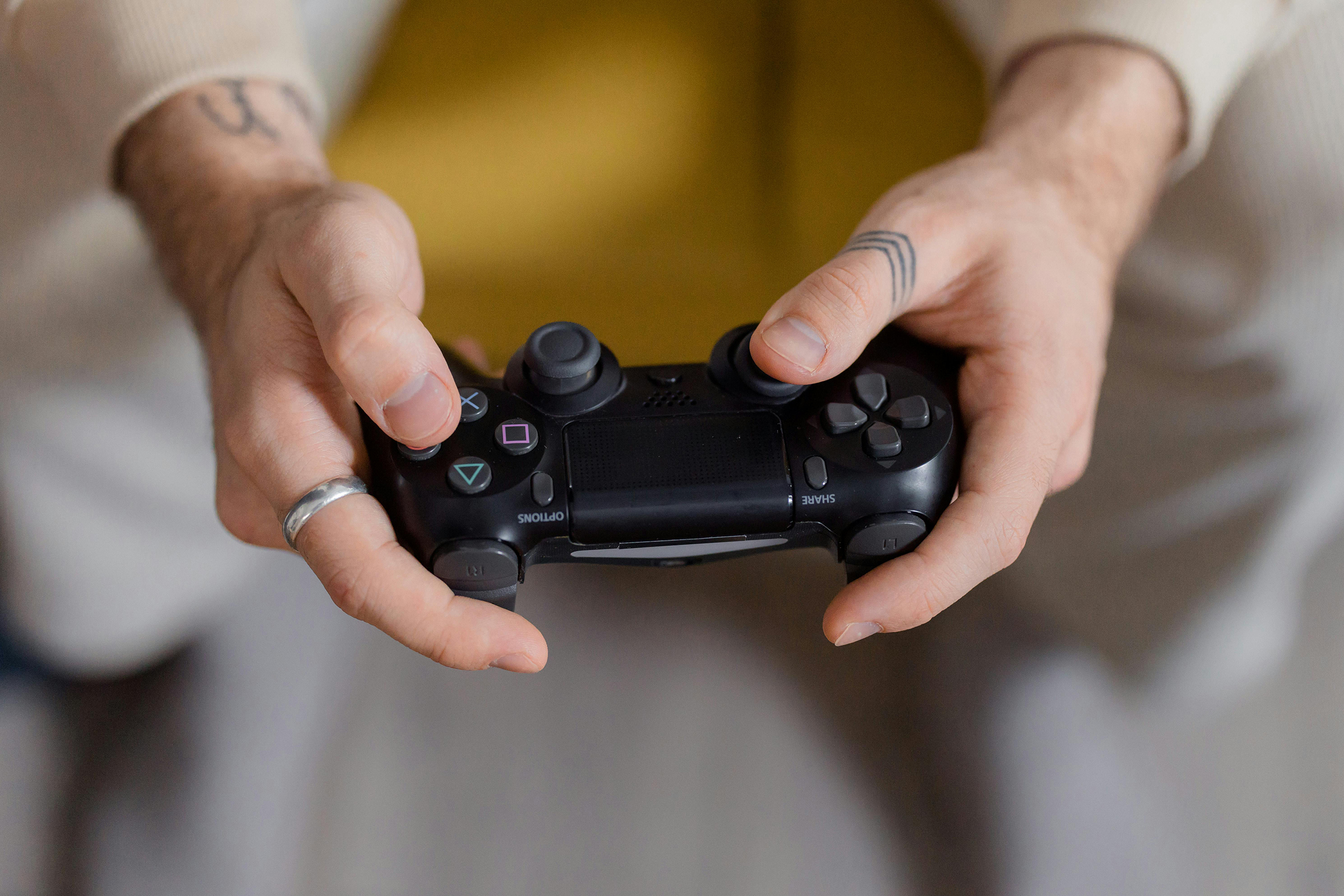
Gaming has been blamed for everything from wasted time to toxic behavior. It has also been praised as a way to relax, connect, and even improve mental health. A recent editorial, ‘The dark and the light side of gaming, volume II,’ published in Frontiers in Psychology, takes a closer look and says gaming lands somewhere in the middle. It can help or hurt depending on how it is used.
The research pulls together multiple studies to show both sides at once, rather than trying to label gaming as one or the other.
Where Gaming Actually Helps
For a lot of people, gaming works as a reset button. After a long day, jumping into a game can lower stress and help shift focus away from real-world pressure. That sense of immersion gives players a break, even if it is temporary.
Gaming is also more social than people give it credit for. Multiplayer games, voice chat, and even casual co-op sessions give people a way to stay connected. In some cases, games have even helped bridge gaps between different age groups, giving people something shared to talk about and experience together.
Gaming also fills a simple need. It fights boredom. When people are looking for something engaging without much setup, games are easy to jump into and keep their attention.
Some researchers are also looking at how games can open conversations around mental health. Titles that deal with topics like anxiety or depression, along with streamers who play them, can make those subjects easier to approach and understand.
Even outside of entertainment, elements of gaming are starting to show up in workplaces. Things like competition, rewards, and problem-solving challenges are being used to spark creativity during team sessions.
Where Things Can Go Sideways
The same things that make gaming appealing can also cause problems.
Online spaces are one example. Not every gaming community is welcoming. Some can turn toxic, with harassment and negative behavior becoming part of the experience. In certain cases, these spaces can also be influenced by harmful outside groups, depending on the environment.
Then there is overuse. Spending too much time gaming can start to replace other parts of life. Sleep, social interaction, and overall health can take a hit. In more serious cases, it can turn into what health organizations classify as a gaming disorder.
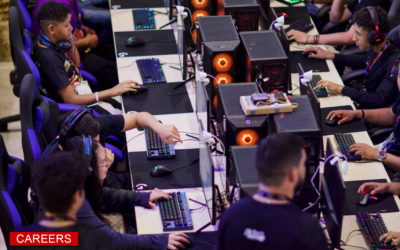
Competitive gaming brings its own issues. Esports might look exciting from the outside, but the reality can involve long hours, constant pressure, and burnout. For some players, the career window is short and demanding.
It’s Not Just Good or Bad
One of the biggest takeaways from the research is that gaming does not fall into a single category.
The same game can help one person unwind and leave another feeling frustrated or stuck in unhealthy habits. It depends on the player, their environment, and how they approach it.
Games can also mirror real-world ideas. What someone takes away from a game often has more to do with their perspective than the content itself.
The Bottom Line
Gaming is not going anywhere, and the conversation around it is not as simple as it used to be.
It can help people decompress, stay connected, and even think differently. At the same time, it can lead to burnout, isolation, or negative experiences if it gets out of balance.
In the end, gaming is just a tool. How it affects someone comes down to how they use it.





0 Comments