
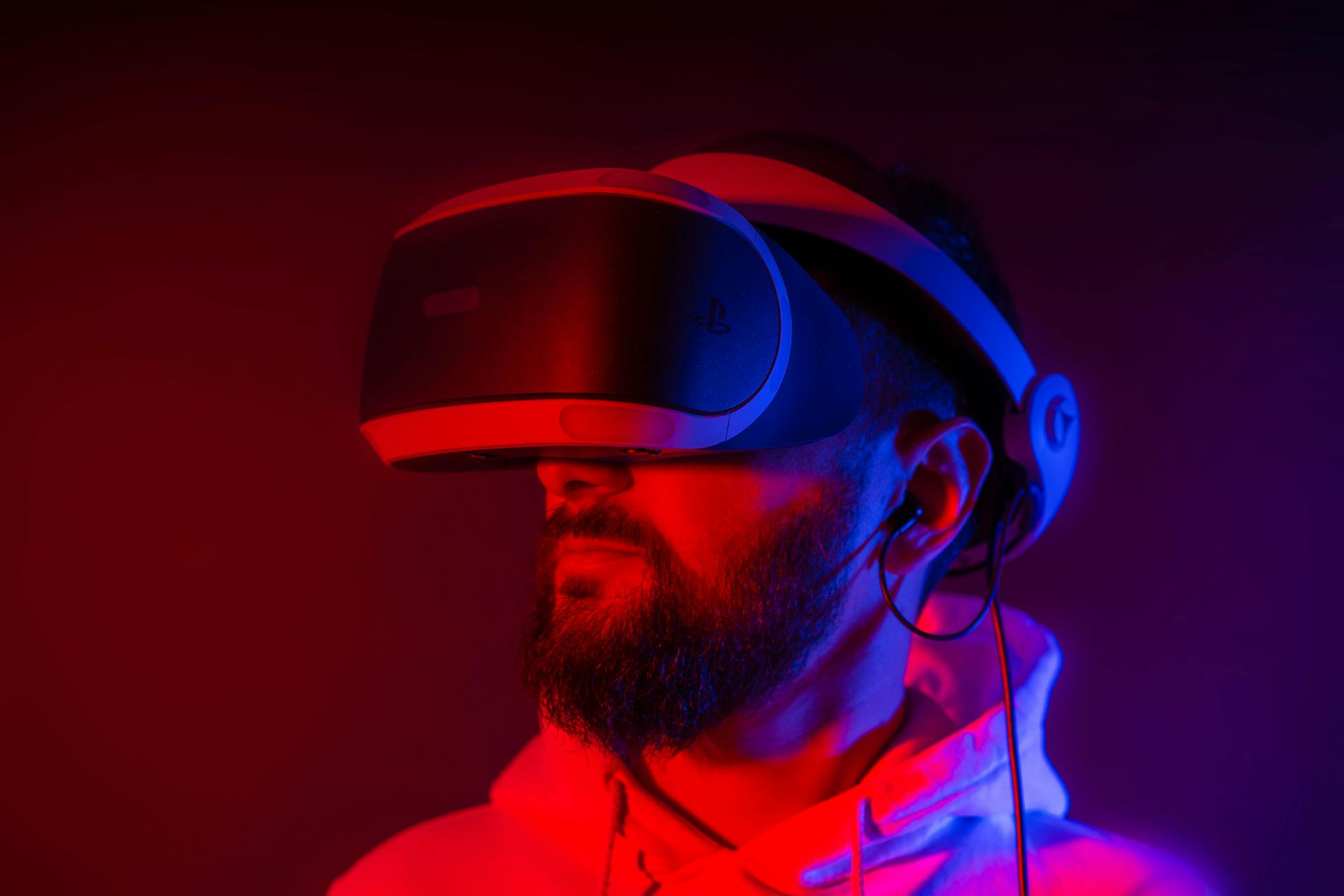
Virtual reality is emerging as a powerful tool in the treatment of post-traumatic stress disorder, providing new options for Veterans who have struggled to find lasting relief through medication or traditional therapy alone. Rather than replacing existing care, VR-based approaches are expanding what is possible by addressing how the brain and body respond to stress, trauma, and memory.
One example is Neurova Labs, a Veteran-led technology company focused on addressing physiological factors linked to PTSD and traumatic brain injury. The company was developed in response to long-standing gaps in treatment, particularly for individuals who functioned effectively in high-stress environments but struggled once those conditions were removed.
Neurova Labs’ research centers on how blood flow and oxygen delivery affect brain function under stress. Its system uses immersive virtual reality gameplay to challenge the brain during alternating periods of stimulation and calm, to retrain stress response patterns. The platform runs on a commercially available VR headset paired with proprietary software designed to support emotional regulation, sleep quality, and recovery from heightened stress.
The Department of Veterans Affairs is also investing heavily in immersive technology. Through partnerships with Soldier Strong and the VA’s Office of Healthcare Innovation and Learning, nearly 29 VA medical centers have received the BraveMind system, developed at the University of Southern California’s Institute for Creative Technologies. BraveMind places Veterans in carefully controlled virtual environments that mirror combat-related scenarios, allowing clinicians to guide exposure therapy at a pace tailored to each individual.
VA Immersive has now deployed more than 1,450 VR headsets across over 165 VA medical centers and outpatient clinics nationwide. These systems allow therapists to precisely customize sights, sounds, and tactile elements, helping Veterans confront traumatic memories in a safe setting while reducing avoidance behaviors. Clinicians report that VR often helps Veterans engage in treatment who might otherwise struggle with traditional exposure therapy.
Beyond VR, the VA is evaluating and deploying other non-medication technologies, including breathing regulation devices, light-based brain stimulation, and transcranial magnetic stimulation. Together, these tools are a shift towards technology-assisted mental health care that complements therapy rather than relying solely on pharmaceuticals.
While VR therapy continues to evolve, early outcomes suggest it can play a meaningful role in helping Veterans improve emotional regulation, sleep quality, and stress response. Veterans and first responders considering VR-based treatment or other non-medication options should discuss them with a qualified mental health professional or their VA care team to determine what approach is appropriate for their individual needs.







They say, and if, this VR is helping my Brothers with PTSD, then I’m all for it. I hope the V.A. Is using it in some way to help their patients with PTSD then.
Remote, isolated, and Total and Permanent here! Looking forward to a Veterans virtual gaming community as it develops, especially with new VR/Meta social Santa gave hjimself for Christmas.