
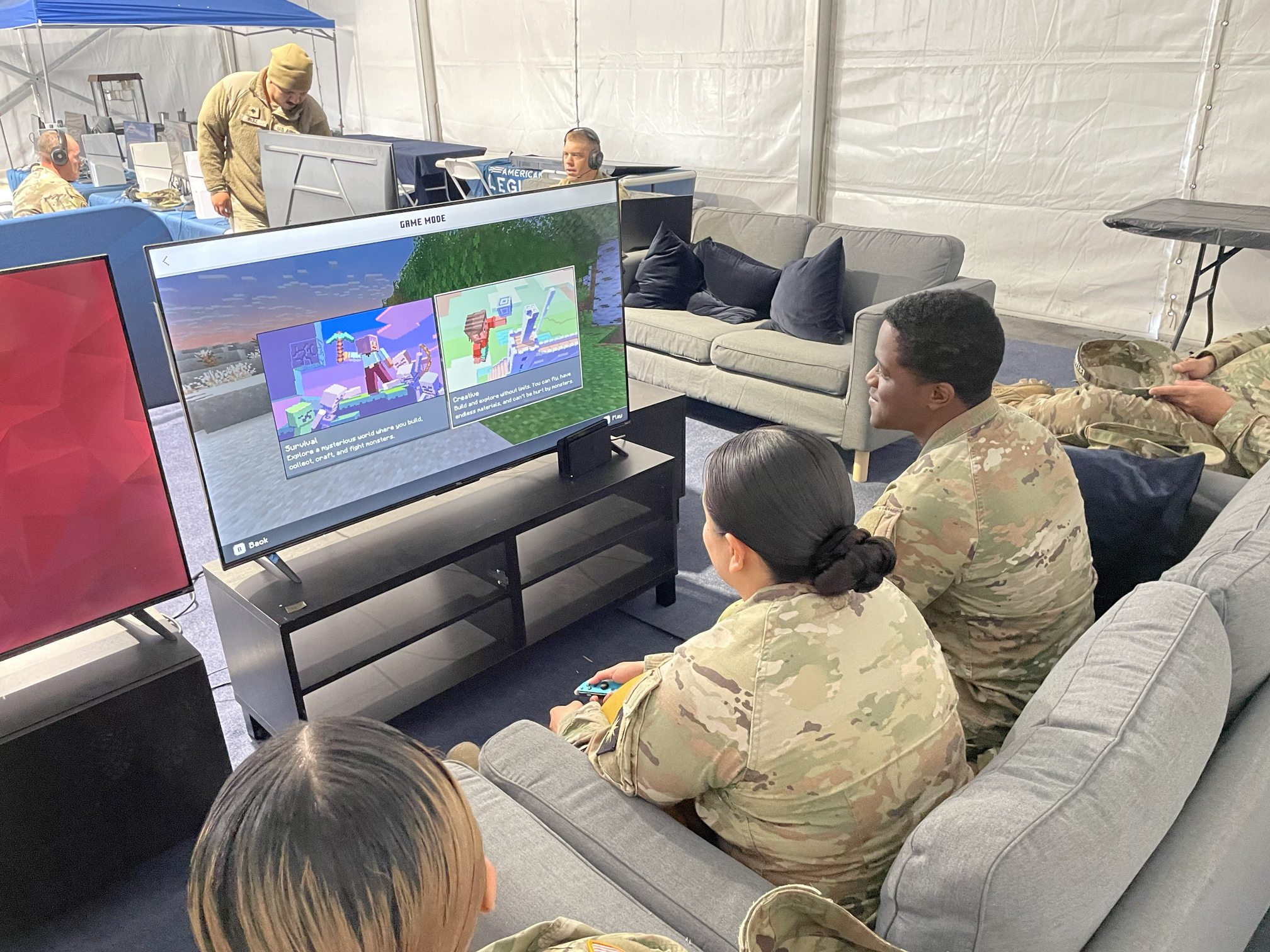
Military service creates strong daily bonds built on shared routines, experiences, and purpose. When those connections change or disappear, whether through separation from service or distance from a unit, feelings of isolation can follow. For many veterans, leaving military service can mean losing regular contact with people who understand that culture firsthand. Active duty service members may face similar challenges during deployments or remote assignments. In response, communities such as The ALG Veterans & Video Games Foundation, built around gaming, have become one way military-connected individuals are finding connection again.
Research from the Pew Research Center shows that military service remains a lasting part of identity during and after service. Veterans and active-duty personnel often report feeling most comfortable in spaces where their background is understood without explanation. Military-connected communities are designed around that reality, creating environments shaped by shared culture, communication styles, and mutual respect.
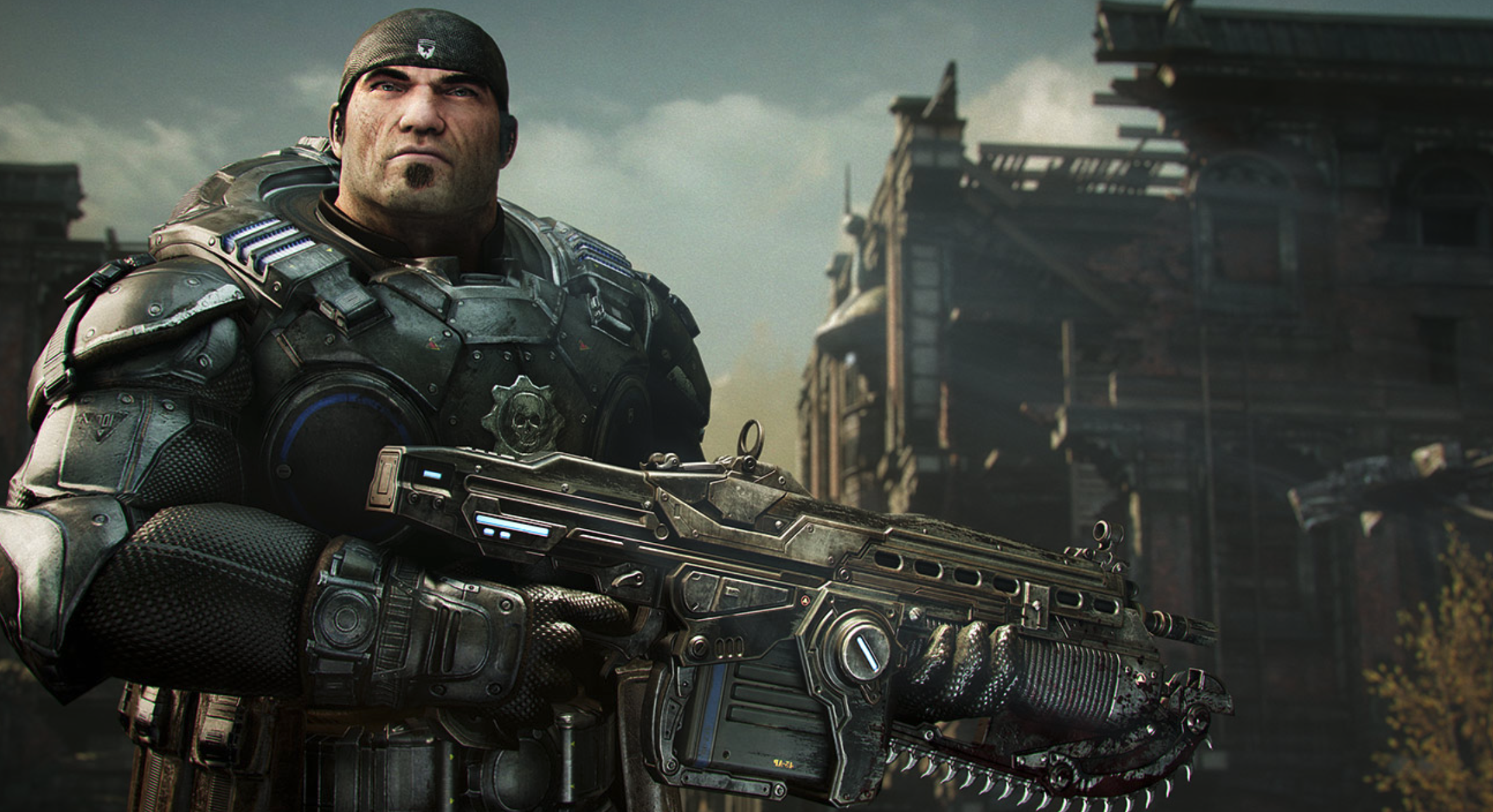
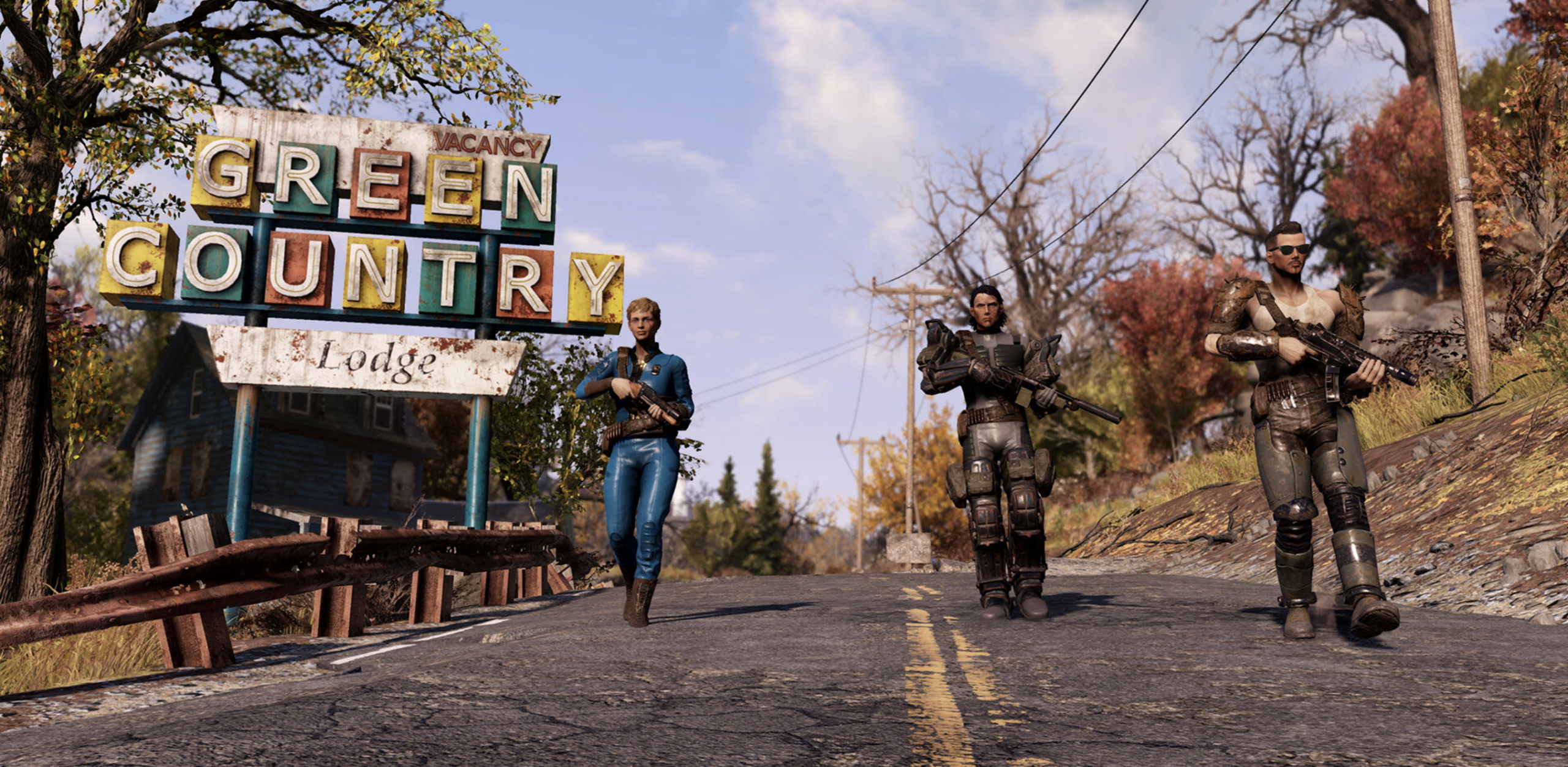
Gaming provides a natural structure for these spaces. Multiplayer games rely on teamwork, coordination, and communication, all skills familiar to veterans and active-duty service members alike. Within military-focused gaming communities, this supports social interaction rather than competition alone. Members can join a squad, work toward shared objectives, and engage with peers in ways that feel familiar and approachable.
Organizations are using this model to support veterans and active-duty service members across the country. Through online gaming experiences and community-driven events, ALG creates spaces where military-connected participants can connect regardless of location, schedule, or duty status. The focus is not on performance or rank, but on shared experience and participation at each individual’s comfort level.
Isolation affects veterans across age groups, and similar challenges can affect active-duty service members during deployments or remote assignments. These challenges can be especially difficult for those in rural or underserved areas. The U.S. Department of Veterans Affairs has identified community reintegration as an important factor in post-service adjustment. When in-person opportunities are limited by distance, duty requirements, or transportation, online communities provide a consistent and accessible alternative.
Public health data further reinforces the importance of connection. The Centers for Disease Control and Prevention has identified loneliness and social isolation as serious public health concerns linked to both mental and physical health risks. Veterans transitioning out of service and active-duty members navigating ongoing demands may be especially vulnerable during periods of change. Online military-focused communities help address this by encouraging regular interaction without requiring formal appointments or travel.
The VA’s rural health initiatives also emphasize the need for flexible engagement options. Veteran and military gaming communities meet that need by operating entirely online, allowing participation from home, base housing, or deployment locations. Scheduled game nights, casual play sessions, and drop-in events create routine and predictability, which many service members value.
Veteran and active-duty gaming communities are not intended to replace existing services or clinical support. Instead, they function as complementary spaces that foster camaraderie, peer connection, and a sense of belonging. Participation can be active or quiet, social or reserved, depending on individual preference. ALG can help connect veterans and active-duty service members with relevant resources and referrals when additional support is needed.
As veteran service organizations continue to explore new ways to address isolation, efforts like those led by The ALG Veterans and Video Games Foundation show how shared experience and accessible technology can help veterans and active-duty service members stay connected during and long after service.







Come together and stand only for truth of Jesus Christ!
Gaming with friends!
As long as it helps keep them from feel away from home, family, and friends.