
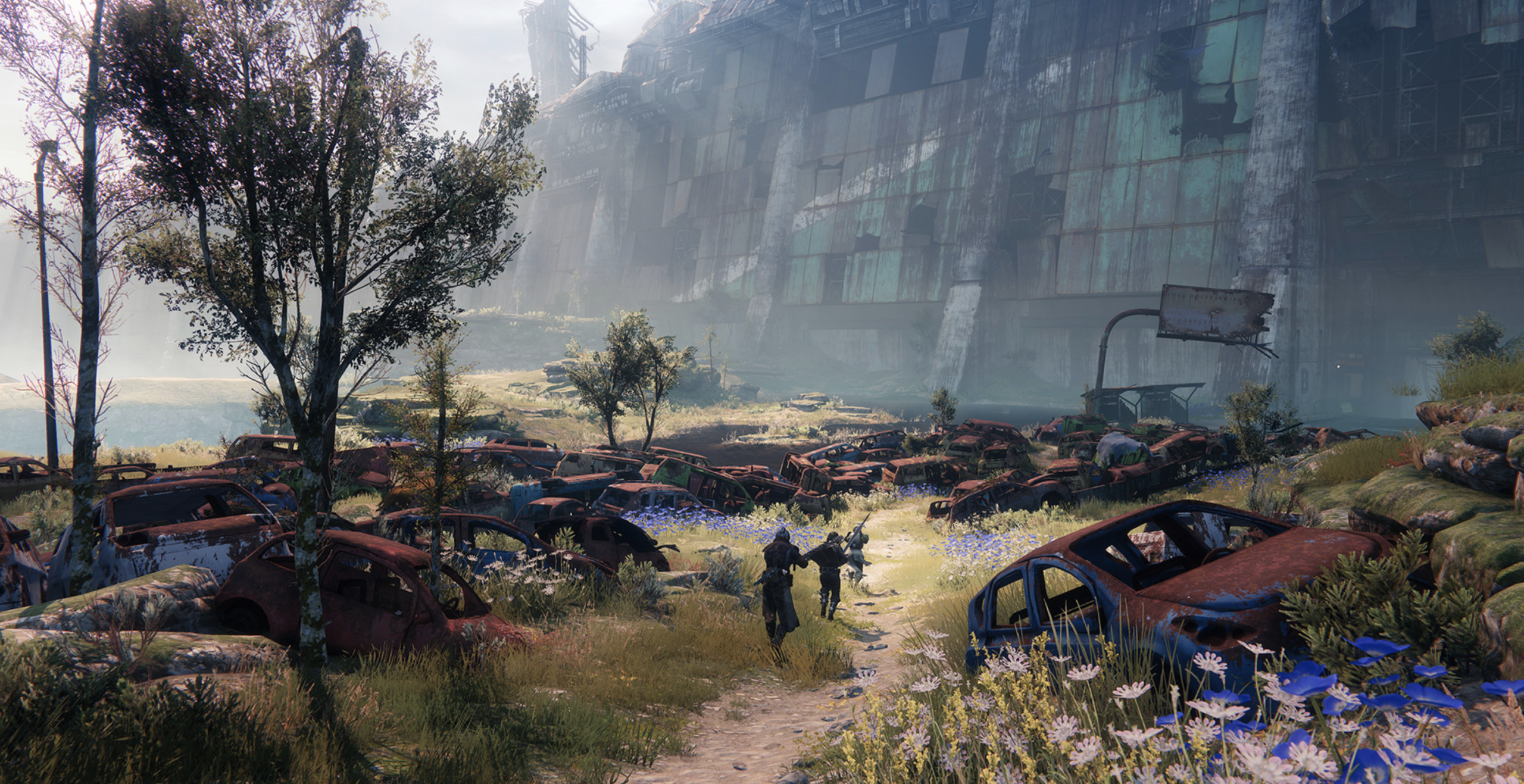
Video game background music has grown into one of the most quietly influential forms of modern composition. It continues to evolve beyond simple accompaniment, shaping how players feel, remember, and connect with the worlds they explore. The best game music does more than fill silence; it creates atmosphere, reinforces storytelling, and often lingers long after the game itself is finished.
How players access that music has also changed. Steam has become an unexpected leader in buying video game soundtracks. Many titles now offer their music as DLC, including games like Hades II, Clair Obscur: Expedition 33, Cult of the Lamb, and Celeste. Steam allows players to purchase standalone soundtracks for games that were never released on PC. Capcom has embraced this model with more than 100 albums available, ranging from Monster Hunter Wilds and Street Fighter 6 to deeper catalog releases. Square Enix has followed suit, offering extensive NieR collections, including arranged and special editions that were once difficult to find outside Japan.
Bandcamp has also become a destination for video game music, particularly within the indie space. Many composers and studios use the platform to sell soundtracks directly to fans, often providing high-quality audio formats, liner notes, and bonus material. Bandcamp’s artist-friendly platform has made it a preferred home for experimental scores and smaller releases that might never appear on larger storefronts, giving listeners a more direct way to support the creators.
The best soundtracks hold up as complete listening experiences. Bastion, composed by Darren Korb, is a clear example. Its blend of acoustic instruments, subtle electronic textures, and vocals by Ashley Barrett creates a sound that feels both personal and expansive. Celeste, composed by Lena Raine, takes a different approach, using evolving layers and recurring themes to reflect protagonist Madeline’s emotional journey, making the music feel inseparable from the climb itself.
Absolum, is a roguelike beat ’em up that features contributions from Gareth Coker, Mick Gordon, Yuka Kitamura, Motoi Sakuraba, and Rachel Hardy. The result is a soundtrack that balances intensity and playfulness, with tracks like “The Underking” blending high-energy action with a sense of animated adventure. Clair Obscur: Expedition 33 is another example, pairing delicate music box melodies with sweeping orchestration that gives its world a distinctive emotional weight.
2025 has been an especially strong year for video game music. Sword of the Sea, composed by Austin Wintory, has received praise for its calm, flowing compositions. Death Stranding 2 expands Ludvig Forssell’s sound with added dramatic flair from Woodkid. Hollow Knight: Silksong continues Christopher Larkin’s haunting, melodic style, while Little Nightmares III leans into tension through sparse, unsettling textures. Other releases include Pokémon Legends Z-A, Mario Kart: World, and Destiny 2: The Edge of Fate, demonstrating how flexible and expressive game music has become.
At its core, background music exists to shape how a game feels moment to moment. It guides emotion, builds tension, and creates memory. From the soulful, acoustic dread of Diablo II to the industrial, choir-driven intensity of Warhammer 40,000: Mechanicus, video game music proves its value far beyond the screen. It is not just something players hear while playing; it is something they return to, again and again.

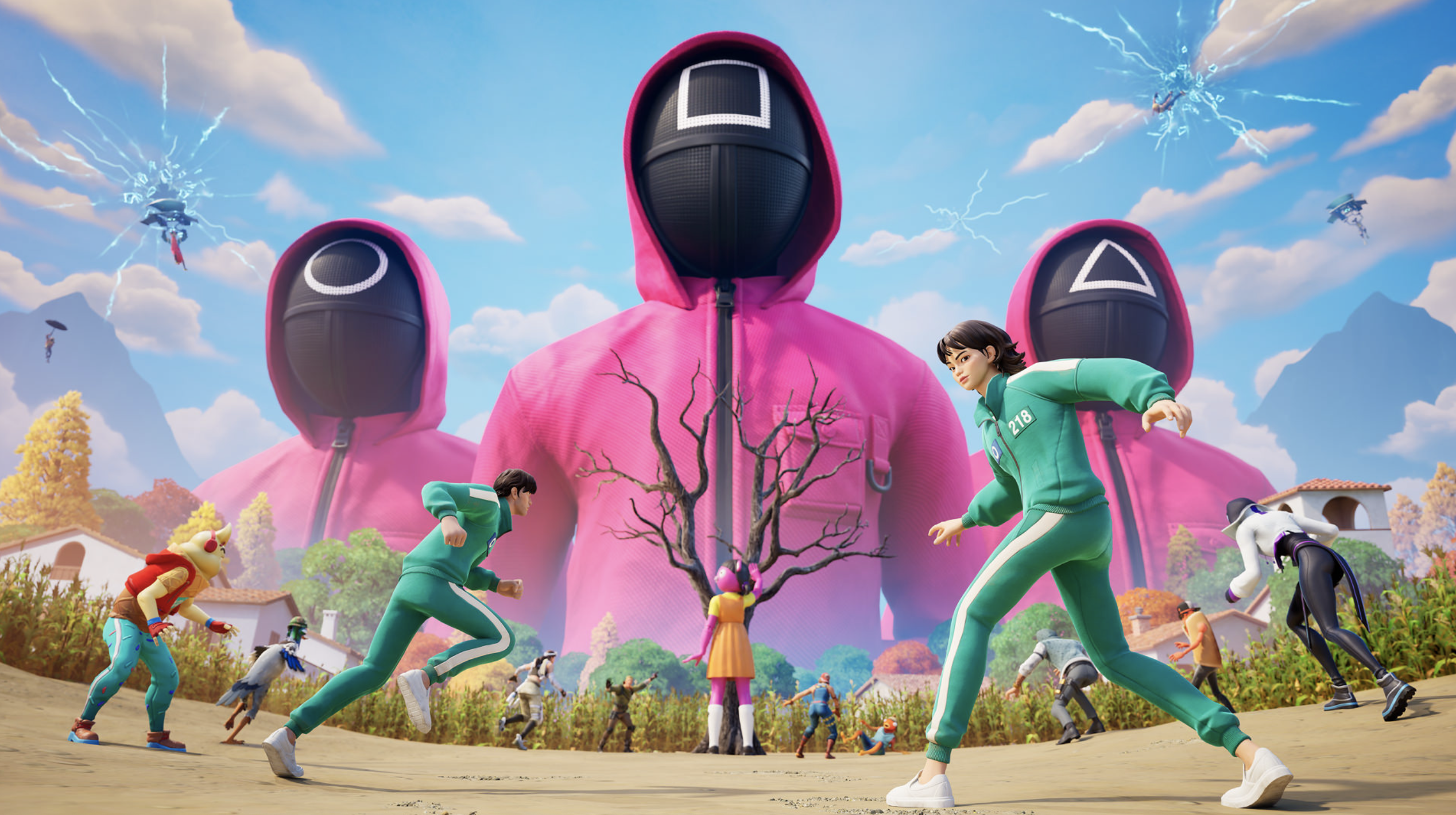
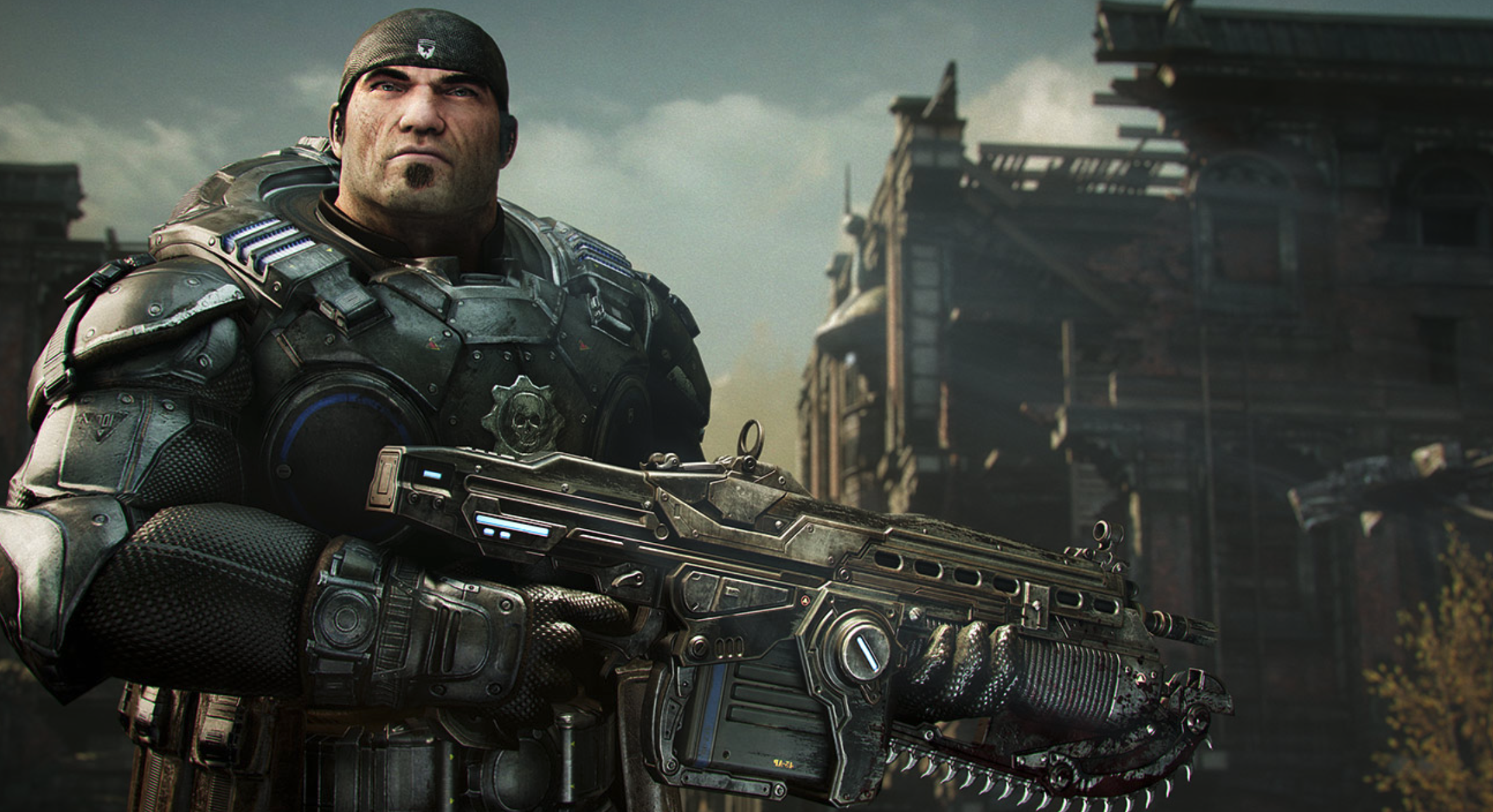
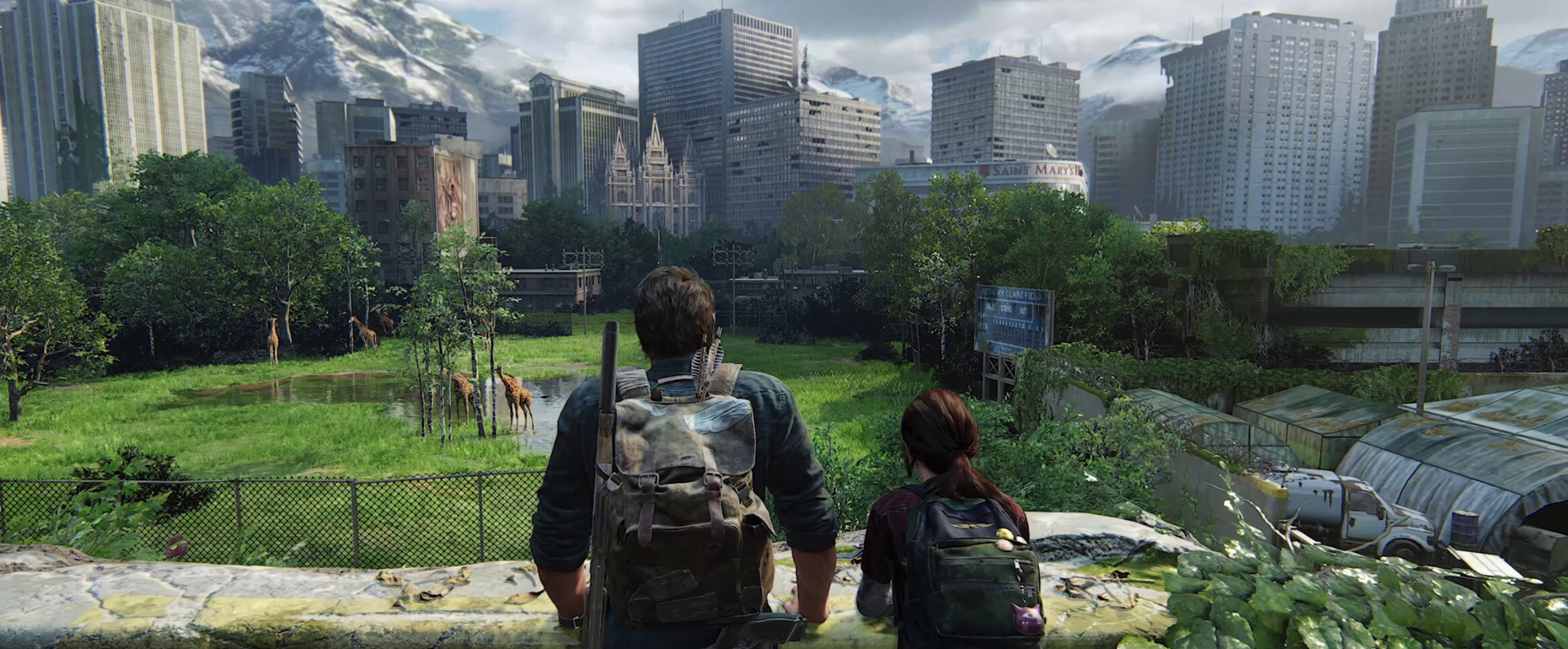


As long as there is not to much music to where you can’t enjoy the game. Then as long as the music there is, stays with the type of game, I’m good.