

The video game industry includes a wide range of professional roles that align well with the experience and skills many veterans develop during military service. Beyond game development itself, the industry relies on professionals in design, quality assurance, project management, and community operations. These careers value discipline, teamwork, leadership, adaptability, and problem-solving, all of which are reinforced through military training and operational experience. Veterans remain strong candidates for long-term careers in both technical and creative gaming roles.
Why Veterans Are Well Suited for Gaming Careers
Military service builds transferable skills that support success in the gaming industry. Veterans are accustomed to working as part of a team, managing complex tasks, solving problems under pressure, and maintaining accountability. With additional training or industry-specific education, veterans can successfully pursue stable and rewarding careers across multiple areas of the gaming sector.
RELATED ARTICLE: Organizations That Help Veterans Build Careers in the Video Game Industry
Game Developer and Programmer
Game developers and programmers are responsible for writing and maintaining the code that allows games to function. This includes gameplay systems, user interfaces, physics, and performance optimization. Veterans with backgrounds in military technology, communications, electronics, or information systems often have experience working with complex systems under strict standards. The structured problem-solving and troubleshooting skills developed during service translate well to software development environments.
National salary data shows that entry-level game developers in the United States generally earn between $60,000 and $80,000 per year. Mid-level developers commonly earn between $85,000 and $120,000, while senior developers and specialized engineers at large studios may earn $120,000 to $170,000 or more, depending on location and experience.
Game Designer
Game designers shape how a game plays and feels by developing mechanics, levels, systems, and narrative elements. While this role requires creativity, it also depends heavily on analytical thinking and planning. Veterans with experience in mission planning, risk assessment, and adapting strategies to changing conditions often find these skills applicable to game design work.
According to national estimates, video game designers earn a median salary of about $84,000 per year in the United States. Entry-level designers may earn $43,000 to $65,000, while experienced designers and lead roles can reach salaries between $90,000 and $126,000.
Quality Assurance (QA) Tester
Quality assurance testers evaluate games to identify bugs, performance issues, and design problems before release. This work requires patience, accuracy, documentation, and adherence to testing procedures. Military training emphasizes consistency, attention to detail, and checklist-based evaluations, which closely match the expectations of QA roles in gaming.
Nationally, entry-level game testers typically earn between $30,000 and $45,000 per year. Mid-level testers earn around $45,000 to $60,000, while senior testers, lead QA staff, and technical or automation-focused QA professionals may earn between $60,000 and $90,000.
Project Manager and Producer
Project managers and producers oversee development schedules, coordinate teams, manage resources, and ensure projects remain on track. These responsibilities closely mirror military leadership roles that involve personnel management, logistics coordination, and meeting deadlines under pressure. Veterans with leadership experience often transition effectively into these positions.
In the United States, video game project managers earn an average salary of approximately $81,000 per year. Most salaries fall between $74,000 and $90,000, with higher earnings possible for experienced producers managing large-scale projects.
Esports and Community Roles
Community managers and esports staff support player communities, manage online engagement, and assist with competitive gaming operations. Veterans bring strong communication skills, emotional resilience, and team coordination experience to these roles. Community managers in gaming typically earn between $45,000 and $65,000 annually, while esports salaries vary widely depending on role, organization size, and competitive level.
RELATED ARTICLE: More Veterans Are Exploring Careers in Gaming, Survey Shows

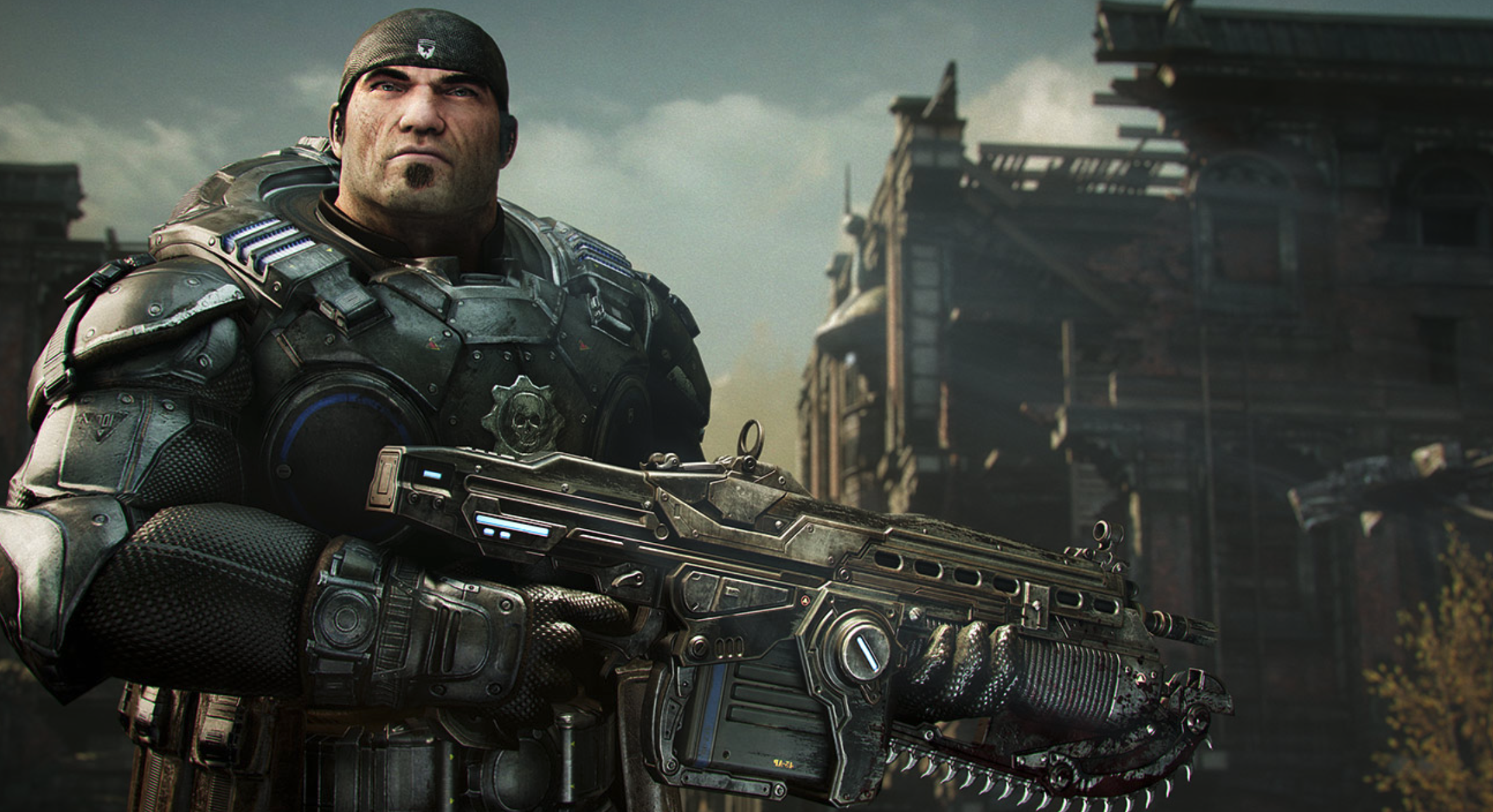






Programming would be a good one!