

Cooperation has always been central to military culture. From training exercises to deployed missions, service members learn to rely on one another to accomplish shared objectives. That same cooperative dynamic is now being studied in a different setting, online multiplayer games, where teamwork and trust remain essential.
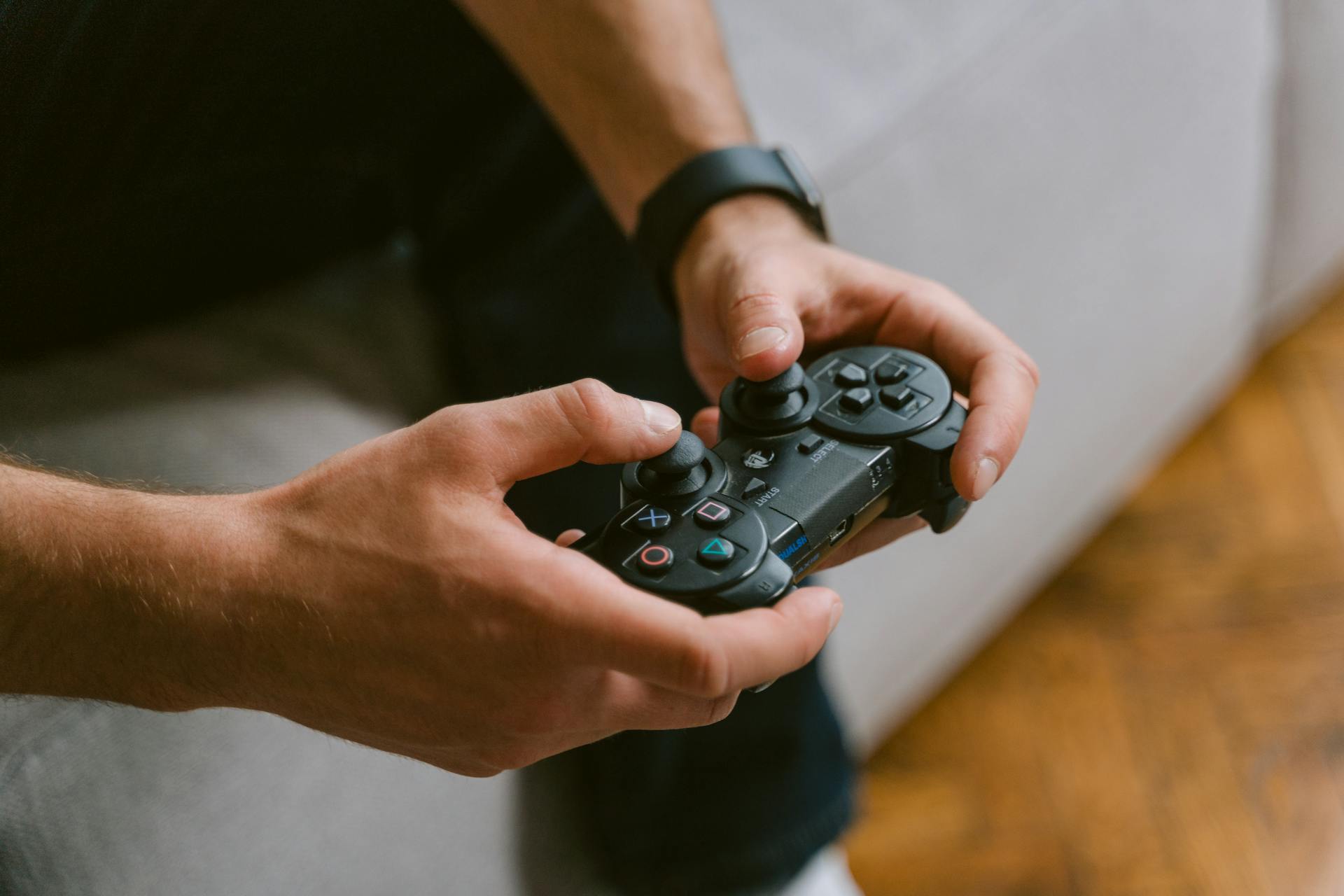
Research shows that cooperative gameplay can help build trust between players. A co-op video game is one in which players can collaborate as partners, typically against one or more opponents who are not player characters (PvE). A study published on PubMed found that “playing collaborative games increases cooperation in prosocial people partially by facilitating the trust they have in their gaming partners.” When success depends on coordination and shared responsibility, trust develops through action rather than conversation, a process that mirrors how many veterans learned to rely on their teams.
Co-op play may also shape behavior beyond the game itself. A Texas Tech University study reported by ScienceDaily found that “playing cooperatively with a helpful teammate increases the expectation of others to reciprocate that prosocial behavior and generally be helpful.” Researchers concluded that cooperative gamers were more likely to behave well in subsequent exchanges, indicating that cooperative gaming may promote beneficial social behaviors.
Belonging is another important outcome. A study published in Computers in Human Behavior found that players who took part in group-based play more frequently “exhibited more reciprocity, had higher social status, and reported higher social capital” than those who played alone. Social capital includes trust, mutual support, and shared norms, all of which contribute to feeling part of a community.
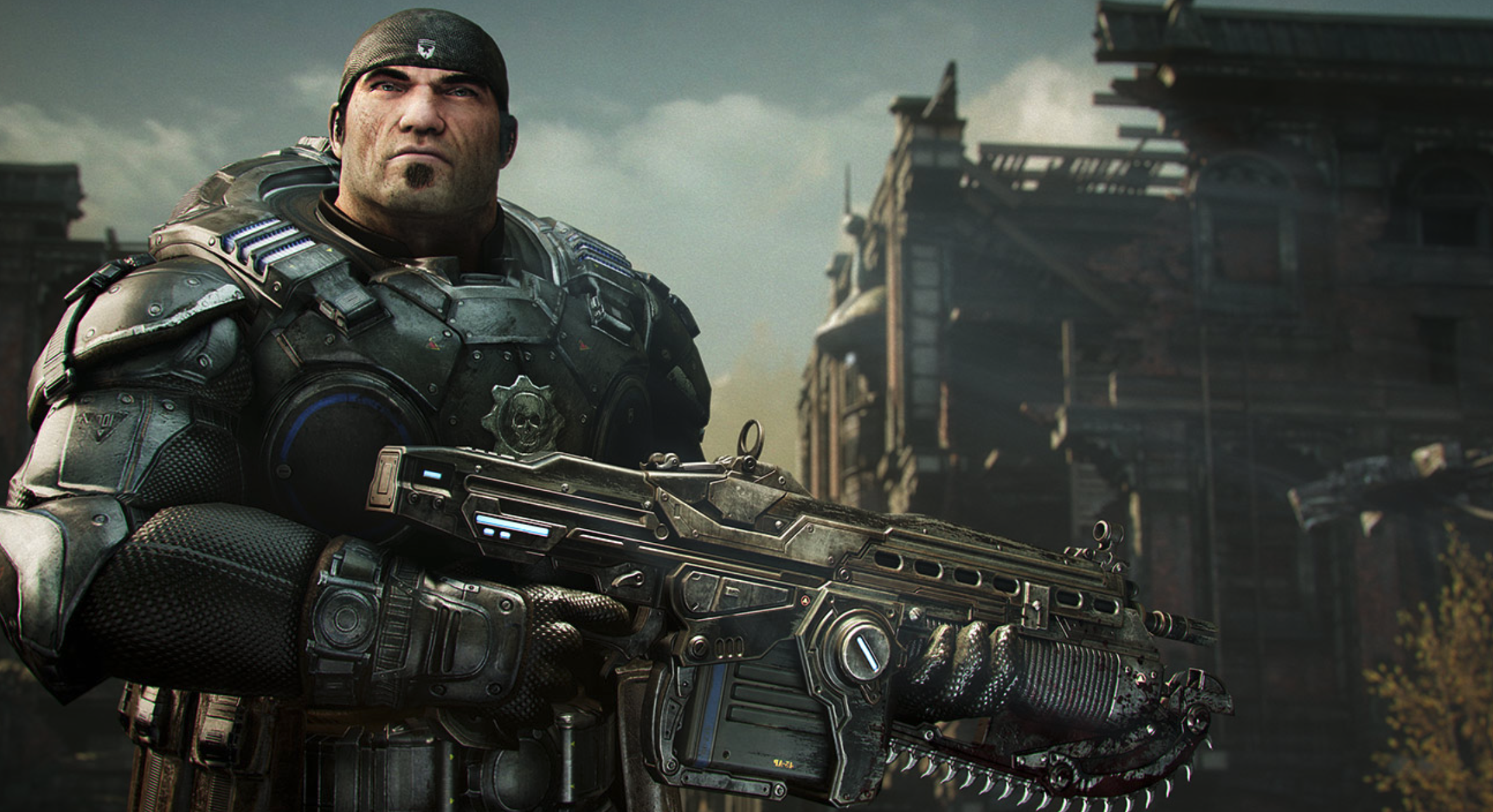
For veterans, co-op games often feel familiar. Multiplayer environments rely on clear roles, communication, situational awareness, and shared accountability. Players move together toward a common objective, adapt to changing conditions, and succeed or fail as a team. These dynamics reflect skills veterans already possess, making cooperative gaming spaces accessible during civilian life.
Research on social presence helps explain why these environments are effective. According to a study that was published in Frontiers in Psychology, when participants thought they were dealing with a human rather than an automated system, they were more willing to collaborate and trust. Knowing there is a real teammate on the other side of the screen strengthens engagement and reinforces trust.
Veterans themselves report similar experiences. A national survey conducted by the Entertainment Software Association found that most U.S. veterans say video games help them feel connected to others and support their overall well-being. Many respondents pointed to multiplayer gaming as a way to experience teamwork and camaraderie in a modern context.
Cooperative gaming is not a replacement for in-person relationships or professional support. However, research suggests it can be a meaningful way for veterans to build trust, connect with others, and work toward shared goals. For those who value teamwork and purpose, cooperative play offers a familiar way to stay connected, one objective at a time.








Build solid framework!